
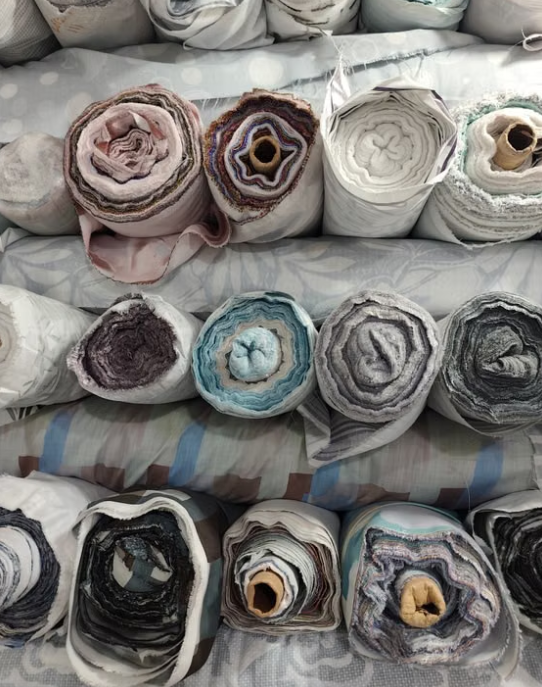
CAFTA-DR Short Supply Update: New Viscose Printed Twill Lining Fabric Added
A new fabric has been added to the CAFTA-DR short supply list, creating another sourcing option for apparel manufacturers and importers using the agreement’s textile and apparel provisions.
On September 25, 2026, the U.S. Committee for the Implementation of Textile Agreements (CITA) announced that certain viscose printed twill lining fabric has been added to Annex 3.25 of the Dominican Republic-Central America-United States Free Trade Agreement (CAFTA-DR).
The fabric may now be used in unrestricted quantities under the short supply provision, subject to the applicable CAFTA-DR rules and requirements.
For apparel companies sourcing from Central America and the Dominican Republic, this is a relatively narrow regulatory change—but it illustrates an important sourcing principle: understanding short supply provisions can expand material options while preserving potential preferential trade treatment.
What Fabric Was Added?
The newly approved fabric is a lightweight printed viscose twill typically suitable for garment lining applications.
The official specification includes:
- HTS: 5408.24.90
- Fiber Content: 100% Viscose Rayon
- Fabric Construction: Twill
- Finishing Process: Printed
- Weight: 70–80 g/m²
- Width: 137.16–139.70 cm (54–55 inches)
The product has been added to the CAFTA-DR Annex 3.25 short supply list in unrestricted quantities.
That last point is important. The determination is not simply an approval for one shipment or one sourcing program. It adds the specified material to the commercial availability list without a quantity restriction, subject to the applicable agreement requirements.
What Is the CAFTA-DR Short Supply Provision?
CAFTA-DR generally uses textile rules of origin designed to encourage the use of yarns and fabrics produced within the participating region.
However, not every specialized textile input required by the apparel industry is commercially available within the region in sufficient quantities or within commercially reasonable timeframes.
The short supply mechanism addresses this problem.
When a qualifying fabric, yarn, or fiber is determined not to be commercially available in the CAFTA-DR region in a timely manner, it may be added to Annex 3.25.
This can allow qualifying apparel producers to source the specified material outside the CAFTA-DR region while still potentially maintaining preferential treatment for eligible finished goods, provided all other applicable requirements are satisfied.
In practical sourcing terms, the mechanism provides flexibility where regional material availability cannot meet actual production requirements.
Why This Matters for Apparel Sourcing
The immediate impact of this particular determination is limited to a very specific lining fabric.
But the sourcing principle behind it is much broader.
Apparel sourcing decisions are often influenced by three interconnected factors:
Material availability → Rules of origin → Duty impact
A sourcing team may find the right factory in a CAFTA-DR country but discover that a particular fabric or component cannot be sourced competitively within the region.
Without understanding available trade provisions, the company may conclude that the entire sourcing program is commercially unattractive.
Short supply provisions can sometimes change that calculation.
If an eligible material is already included on the short supply list, sourcing teams may have additional flexibility in selecting the material supplier while maintaining the potential benefits of CAFTA-DR for qualifying apparel.
This makes the short supply list more than a customs technicality. It can become part of the sourcing strategy.
What Buyers and Sourcing Teams Should Check
Before relying on a short supply provision, sourcing teams should verify the material specification carefully.
A similar fabric is not necessarily the same qualifying fabric.
Important specifications can include:
- Fiber composition
- Fabric construction
- Weight
- Width
- Finishing process
- HTS classification
- Other technical characteristics specified in the official listing
For the newly added viscose lining fabric, for example, the official determination specifies not simply “viscose lining,” but a defined 100% viscose rayon printed twill within a particular weight and width range.
Material specifications should therefore be compared directly against the official short supply description before purchase orders or production commitments are finalized.
A Practical Production Perspective
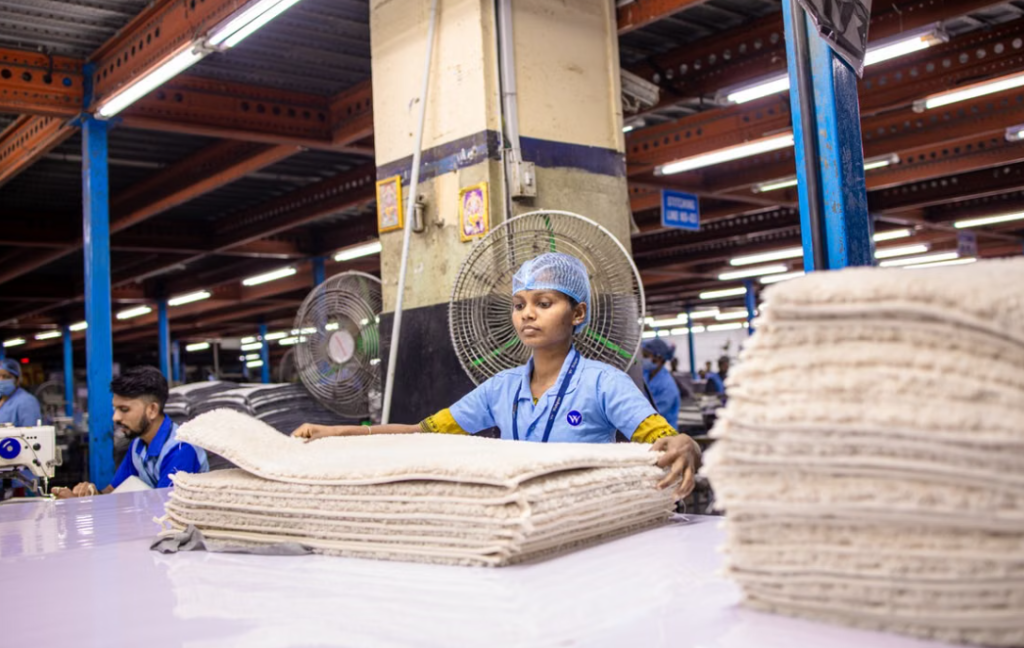
Trade compliance decisions should ideally happen before bulk material purchasing—not after production has already started.
The sourcing, production, and compliance teams should confirm three things early in the development process:
1. Where will the garment be manufactured?
Determine whether the planned factory and production country fall within the intended trade program.
2. Where will the fabric and major components originate?
Map the material supply chain before final costing.
3. Does the product satisfy the applicable rule of origin or an available exception?
If a material is being sourced outside the region, determine whether a short supply provision or another applicable rule supports the sourcing structure.
These questions can directly affect landed cost.
A garment may have an attractive FOB price but become significantly less competitive if the expected duty treatment is incorrect.
For this reason, trade rules should be considered during costing and sourcing—not treated only as a customs issue at the end of the process.
The Bigger Sourcing Lesson
The addition of one viscose lining fabric to the CAFTA-DR short supply list may appear minor.
But it demonstrates how sourcing opportunities can change through relatively small updates to trade rules.
Factories, suppliers, sourcing companies, and brands working with Central America and the Dominican Republic should periodically review changes to Annex 3.25 rather than relying only on historical sourcing assumptions.
A fabric that previously created an origin problem may later become eligible under the short supply mechanism.
In an environment where apparel companies continue to evaluate nearshoring, sourcing diversification, duty exposure, and supply-chain resilience, these details can influence where an order can be produced competitively.
The strongest sourcing decisions increasingly require more than comparing FOB prices.
They require understanding the relationship between material availability, production location, rules of origin, duty treatment, and final landed cost.
Need Help Evaluating an Apparel Sourcing or Production Program?
Apparel Production Lab provides practical support for apparel sourcing, production management, costing, factory evaluation, and supply-chain planning.
Source:
U.S. Committee for the Implementation of Textile Agreements (CITA), Federal Register, September 25, 2026 — Determination under the Textile and Apparel Commercial Availability Provision of CAFTA-DR.
This article is provided for general industry information and does not constitute customs, tariff, or legal advice.