
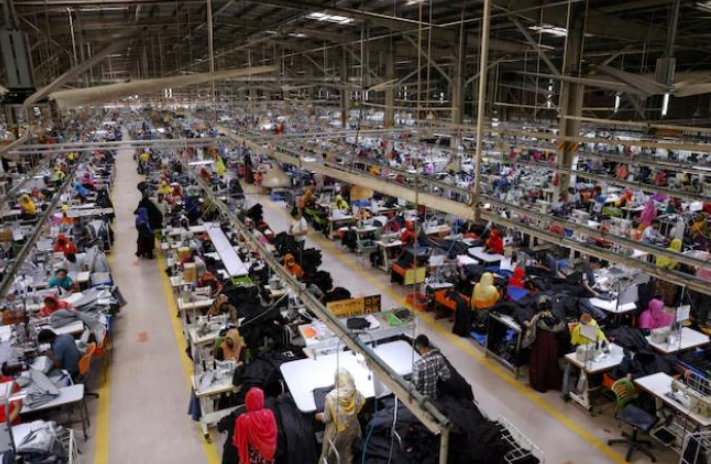
SOURCING & PRODUCTION UPDATE — BANGLADESH
Updated: September 2026
Market: Bangladesh
Topic: Energy Supply / Production Capacity / Lead Time
Bangladesh’s apparel and textile industry is facing renewed production pressure as gas and electricity shortages disrupt operations across major manufacturing areas.
The impact is particularly important for gas-dependent upstream operations such as spinning, dyeing, knitting, washing, and finishing. Even when garment sewing factories remain operational, disruption at these supporting processes can affect fabric availability, production schedules, and final shipment dates.
For apparel sourcing teams, the issue is therefore not simply an energy problem. It is a production capacity, lead-time, and delivery-risk issue that should be considered when planning current and upcoming orders.
What’s Happening?
Recent reports from Bangladesh indicate that factories in major industrial areas including Gazipur, Ashulia, Savar, and Narsingdi have experienced significant reductions in gas pressure and interruptions in electricity supply.
Some factories have responded by operating below capacity, adjusting production schedules, or using more expensive alternative fuels such as diesel.
The disruption is especially significant for textile and wet-processing operations that require reliable gas supply for boilers, generators, dyeing, washing, and finishing.
Industry representatives have reported substantial reductions in production capacity, while manufacturers are also facing higher operating costs as they attempt to maintain delivery schedules.
Production and Lead-Time Impact
In apparel production, disruption in one upstream process can affect the entire production calendar.
A delay at a spinning mill can affect yarn delivery.
A delay in knitting or weaving can affect greige fabric availability.
A delay in dyeing or finishing can postpone fabric approval and garment cutting.
Once cutting is delayed, sewing, finishing, packing, and shipment dates may all move accordingly.
This is why the impact of the current energy situation should be evaluated across the complete production chain, rather than only at the garment factory level.
Buyer and Sourcing Impact
Current reporting suggests that major international buyers have generally continued placing orders in Bangladesh despite the energy problems. However, buyers are increasingly focused on whether suppliers can maintain committed delivery dates.
For sourcing teams, this creates an important distinction between available capacity and reliable capacity.
A factory may technically have sufficient sewing lines for an order, but the production plan can still be exposed if fabric, dyeing, washing, finishing, or other supporting processes cannot operate consistently.
When delivery becomes uncertain, additional costs may also appear through overtime, alternative energy, expedited transportation, air freight, buyer discounts, or other recovery measures.
What Apparel Teams Should Watch
For current or planned Bangladesh production, sourcing and production teams should closely monitor:
Material Availability — Confirm whether fabric and other locally produced materials remain on schedule.
Dyeing and Finishing Capacity — Check whether gas-dependent processing units are operating normally or at reduced capacity.
Production T&A — Review actual progress against the production calendar rather than relying only on the original plan.
Shipment Risk — Identify orders where a short production delay could result in missed vessel bookings or required air freight.
Alternative Capacity — Determine whether another mill, processing facility, or production unit is available if a critical operation becomes constrained.
Buyer Communication — Communicate potential delivery risks early when the production schedule begins to move rather than waiting until the shipment date approaches.
Kevin’s Production Note
In sourcing, the lowest FOB price does not always represent the lowest production risk.
A factory can offer a competitive price and sufficient sewing capacity, but the order can still be exposed when fabric, dyeing, washing, finishing, power supply, or other supporting processes become unstable.
The practical question is therefore not only:
“Can this factory produce the order?”
It is also:
“Can the complete supply chain support the order and deliver it on time?”
When external conditions begin affecting production capacity, the T&A should be reviewed immediately. Waiting until the final shipment stage usually leaves fewer and more expensive recovery options.
Source & Reference
This update is based on recent reporting on Bangladesh’s apparel and textile energy situation, together with information from the Bangladesh Garment Manufacturers and Exporters Association (BGMEA).
Conditions can vary significantly by industrial area, factory, mill, and production process. Buyers and sourcing teams should therefore confirm current conditions directly with their suppliers when planning individual orders.