
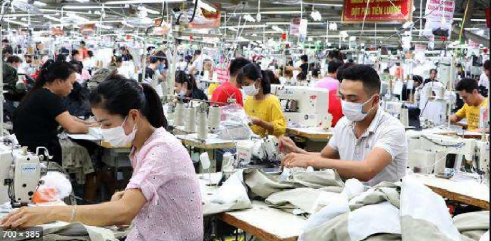
The apparel production process is much more than simply making a garment. It is a series of connected decisions that begin with a product concept and continue through material selection, manufacturing, quality control, costing, and final delivery.
A successful apparel product requires these stages to work together. A mistake made during product development can affect fabric selection, manufacturing efficiency, quality, cost, and ultimately the success of the product in the marketplace.
At Apparel Production Lab, we look at apparel production from this complete perspective. Our goal is to provide practical knowledge and professional insights based on real-world experience in apparel manufacturing, global sourcing, production management, quality, and supply chain.
1. Product Development
Product development is where the apparel production process begins. It transforms an initial concept, trend direction, or customer need into a product that can actually be manufactured.
This stage typically includes design interpretation, technical specifications, materials selection, garment construction, fit development, sample development, and cost considerations. Decisions made at this stage have a direct impact on manufacturing efficiency, product quality, lead time, and final cost.
A strong product development process requires close communication between designers, product developers, sourcing teams, manufacturers, and suppliers. When these teams work together early in the process, potential production problems can be identified and resolved before they become costly issues.
2. Fabric & Material Sourcing
Fabric and material sourcing plays a critical role in determining the quality, performance, appearance, and cost of an apparel product. The right material must not only meet the design requirements but also be suitable for the intended manufacturing process and target market.
Material sourcing involves evaluating fabric composition, construction, weight, hand feel, performance characteristics, availability, supplier capability, minimum order quantities, lead times, and cost. It also requires careful consideration of testing, compliance requirements, and consistency between development samples and bulk production.
Working with reliable suppliers and developing materials early in the product development process can reduce production risks and help ensure that the final product meets both quality expectations and cost targets.
3. Garment Manufacturing
Garment manufacturing is where the product concept and development work are transformed into a finished garment. This stage requires careful coordination of production planning, factory capabilities, sewing operations, workmanship, and quality standards.
An efficient manufacturing process depends on selecting the right factory for the product. Factors such as production capacity, equipment, technical expertise, workforce capability, production lead time, and previous experience with similar products should all be considered before production begins.
Production management also plays an important role in maintaining consistency throughout bulk production. Proper pre-production preparation, clear technical specifications, sample approval, production monitoring, and communication between the factory and the buyer help prevent problems and keep production on schedule.
4. Quality & Compliance
Quality and compliance are essential to producing apparel that meets customer expectations, regulatory requirements, and brand standards. Quality should not be treated as an inspection step at the end of production; it should be managed throughout the entire production process.
Quality management may include fabric and trim inspection, testing, measurement control, workmanship standards, production inspections, and final product evaluation. Clear quality standards and consistent inspection procedures help identify problems early and reduce the risk of costly rework, delays, or rejected shipments.
Compliance is equally important in global apparel production. Depending on the product and market, manufacturers and suppliers may need to meet requirements related to product safety, restricted substances, labeling, social responsibility, environmental standards, and other applicable regulations.
5. Global Sourcing
Global sourcing is the process of identifying, evaluating, and working with suppliers and manufacturing partners across different markets and countries. In apparel production, global sourcing can provide access to specialized capabilities, competitive costs, materials, and production capacity.
Successful global sourcing requires more than finding the lowest price. Supplier capability, quality consistency, production capacity, lead times, communication, compliance, logistics, trade regulations, and total landed cost all need to be considered when evaluating a sourcing option.
Building strong supplier relationships is also an important part of global sourcing. Clear expectations, reliable communication, regular performance evaluation, and a long-term approach can help companies develop a more stable and efficient international supply network.
6. Supply Chain
The apparel supply chain connects many different activities, from raw material sourcing and manufacturing to transportation, distribution, and final delivery. Managing these activities as one connected system is essential for maintaining efficiency, controlling costs, and meeting customer expectations.
An effective supply chain requires coordination among suppliers, factories, sourcing teams, logistics providers, and customers. Lead times, order quantities, production schedules, inventory levels, transportation, and delivery requirements must be carefully planned and monitored.
Supply chain disruptions can have a significant impact on apparel businesses. Developing reliable suppliers, maintaining clear communication, planning ahead, and understanding alternative sourcing and logistics options can help companies respond more effectively when unexpected challenges arise.
7. Cost & Production Management
Cost and production management are closely connected to the overall success of an apparel program. A product may have excellent design and quality, but it must also be produced within an achievable cost and schedule.
Production costing involves evaluating material costs, labor, factory expenses, packaging, transportation, duties, and other factors that contribute to the total product cost. Understanding these elements early in the development process allows companies to make informed decisions before production begins.
Effective production management also requires monitoring production schedules, material availability, factory performance, quality results, and shipment dates. Early identification of potential problems can help reduce delays, unnecessary costs, and production disruptions.
8. Factory Management
Factory management has a direct impact on production quality, efficiency, cost, and delivery performance. Choosing the right factory is important, but effective management of the production relationship is equally important.
A strong factory management process includes evaluating factory capabilities, monitoring production performance, maintaining quality standards, managing production schedules, and communicating clearly with factory management and production teams. Regular follow-up helps identify issues before they become larger problems.
Long-term factory relationships can also create significant value. When manufacturers and buyers develop mutual trust, clear expectations, and consistent communication, they can work together more effectively to improve quality, efficiency, productivity, and overall production performance.
Conclusion
Successful apparel production depends on how well each stage of the process is connected and managed. Product development, materials, manufacturing, quality, sourcing, supply chain, costing, and factory management should not be viewed as separate activities. They are parts of one integrated production system.
At Apparel Production Lab, our goal is to share practical knowledge and real-world perspectives that help apparel professionals make better decisions throughout this process. Whether you are developing a new product, sourcing materials, managing production, or building a global supply network, understanding the complete production process can help create better products and more reliable results.