
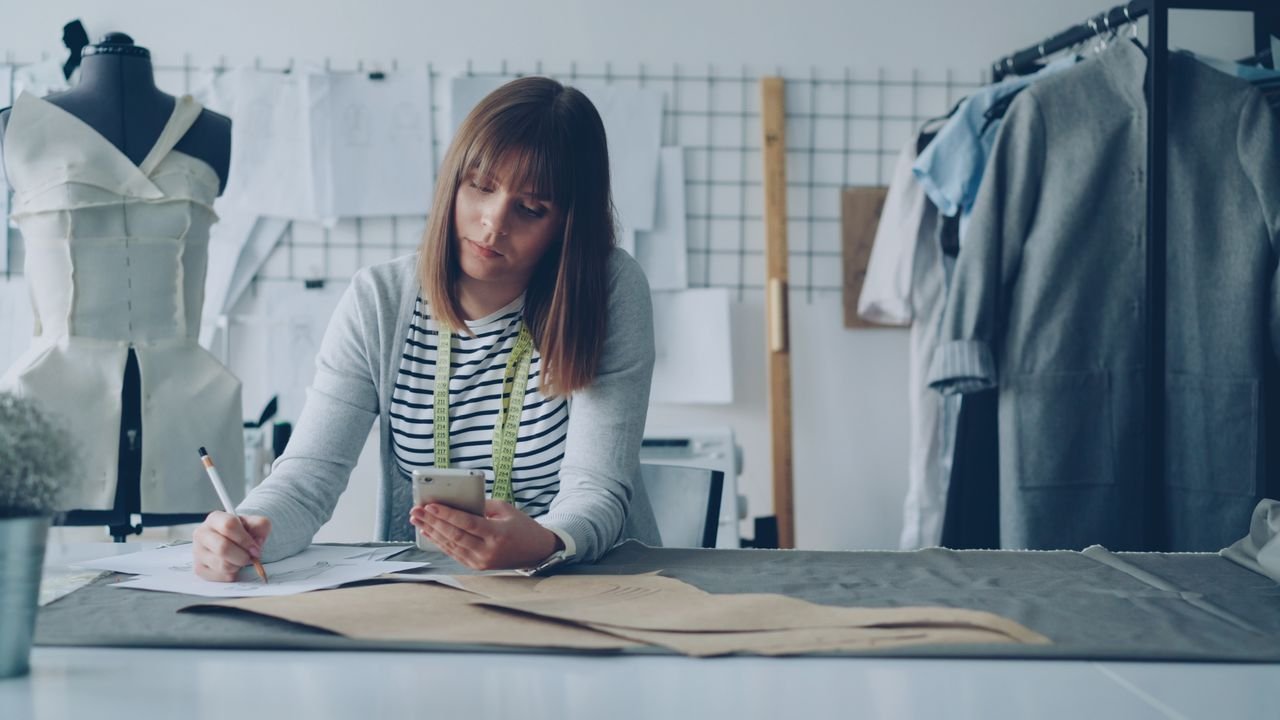
Successful apparel production begins long before fabric is cut or sewing starts. Product development is the process of turning an initial design idea into a garment that is technically clear, commercially practical, and ready for manufacturing.
For apparel brands, effective product development helps reduce costly revisions, improve communication with suppliers, and identify potential production problems before bulk manufacturing begins.
What Is Apparel Product Development?
Apparel product development connects the creative side of a product with the technical requirements of manufacturing.
A design concept may begin with sketches, reference garments, fabric ideas, or a specific market need. Before a factory can manufacture the product consistently, however, those ideas must be translated into clear specifications and production requirements.
This typically includes garment construction, measurements, materials, trims, workmanship standards, samples, and other details necessary for production.
1. Define the Product Clearly
The first step is establishing exactly what the product should be.
This includes the garment type, intended customer, fit, construction, materials, performance requirements, target quality level, and expected price range.
Clear product requirements give designers, suppliers, and factories a common starting point and help prevent misunderstandings later in development.
2. Develop Product Specifications
Factories need more than a visual design to manufacture a garment accurately.
Product specifications communicate important information such as measurements, construction details, stitching requirements, fabrics, trims, labels, colors, and finishing standards.
The more clearly these requirements are documented, the easier it becomes for suppliers to understand expectations and develop accurate samples.
3. Select the Right Fabrics and Materials
Fabric selection affects appearance, fit, comfort, performance, cost, and manufacturability.
The right material should therefore be evaluated not only for how it looks and feels, but also for its weight, construction, performance characteristics, availability, minimum order requirements, and production suitability.
For a deeper look at this process, see our guide to Fabric Sourcing for Apparel Production: How to Choose the Right Materials.
4. Develop and Evaluate Samples
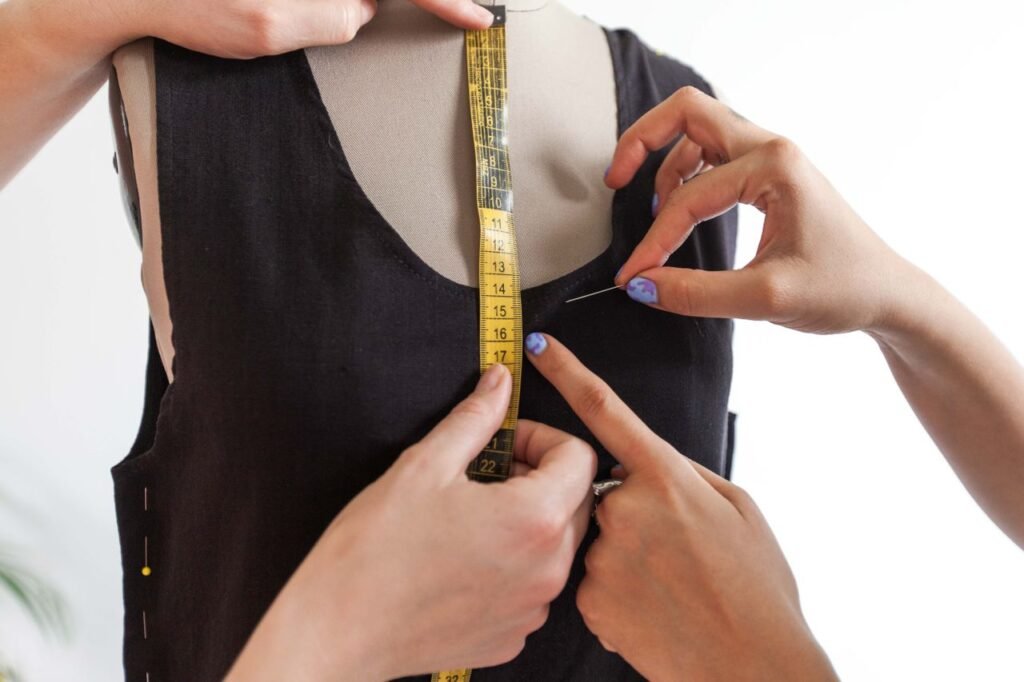
Sampling allows the product to be evaluated before committing to bulk production.
Depending on the product, several sample stages may be required to review fit, measurements, construction, workmanship, fabric performance, trims, and overall appearance.
Each sample should have a clear purpose. Comments and corrections should also be documented carefully so that changes can be understood and implemented correctly.
5. Review Cost and Manufacturability
A product can look excellent on paper but still be difficult or expensive to manufacture.
During development, brands should evaluate whether construction methods, materials, trims, workmanship requirements, and production quantities are realistic for the target cost.
Identifying these issues early can reduce unnecessary sampling and help prevent expensive changes after production begins.
6. Prepare for Production
Before bulk manufacturing starts, the product should be sufficiently developed so the factory understands what is expected.
Final specifications, approved materials, trims, measurements, construction details, workmanship standards, and approved samples should be aligned before production begins.
This preparation creates a clearer transition from product development into manufacturing.
For a broader view of what happens next, read The Apparel Production Process: From Product Concept to Final Production.
Why Product Development Matters
Many production problems begin before manufacturing actually starts.
Unclear specifications, unsuitable materials, incomplete sampling, unrealistic costing, or unresolved construction details can create delays and quality problems later.
A structured product development process helps brands identify these risks earlier, communicate more effectively with suppliers, and enter production with greater confidence.
Need Help Developing an Apparel Product?
Apparel Production Lab provides practical product development consulting based on real-world apparel manufacturing and sourcing experience.
Whether you are developing a new garment, evaluating materials, reviewing samples, or preparing a product for manufacturing, we can help you identify potential issues and build a clearer path toward production.